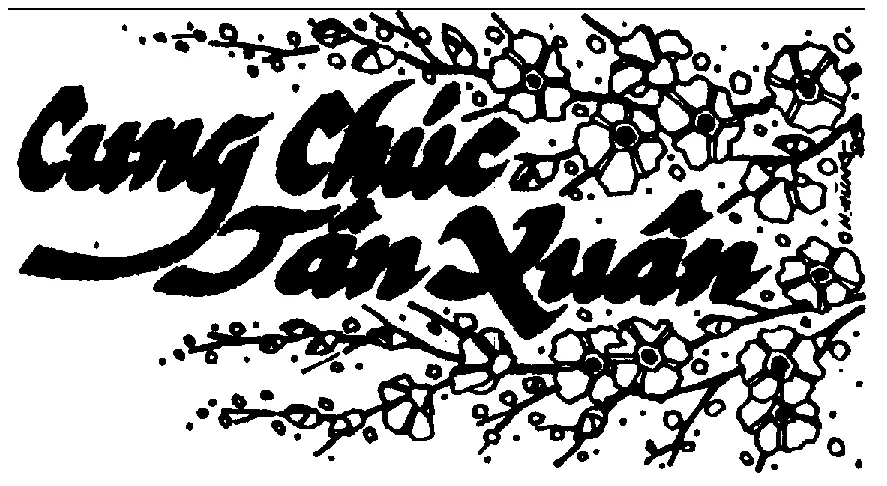

CUNG chuc tan XUAN (16K)
Kinh chuc nam Moi
van su nhu Y
Tet nguyen Dan, is the lunar new year festival and it is the most important vietnamese holiday. tet is the celebration of the beginning of spring as well as a new year. it is the time for family reunions, exchanging gifs, best wishes and the beginning of a new year.
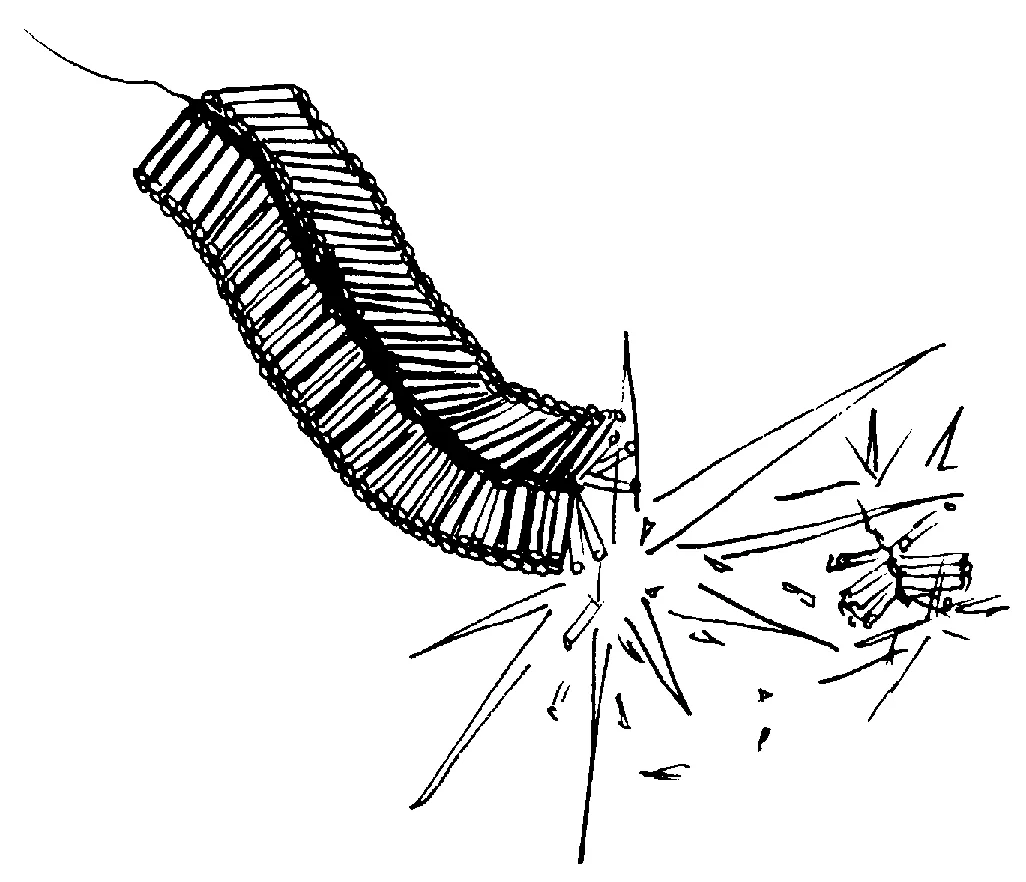
PHAO NO (17K)
Literally, tet nguyen dan means the first morning of the first day of the new period. Officially, it marks the beginning of a new year on the lunar calendar. in reality, it is a friendly, festive, family holiday. painstaking care is given to starting the year out right, since it is beleived the first day and the first week of the new year will determine the fortunes or misfortunes for the rest of the year. in order to start the new year right and set the best precedent, vietnamese houses are painted and cleaned. new clothes are purchased for the first day of tet and old debts should be paid and great care is taken to avoid arguments. families exchange visits. the first visitor to the house on the first morning of tet is very important. particular care is taken to arrange in advance to have the visitor be rich, happy, and pretigious.
The holiday is also observed by a family visit to the church or pagoda to pray for good fortune and happiness. a sprig of the yellow blossomed. hoa MAI, is used to decorate the home. tet officially lasts for seven days and ends with le khai ha ritual during which cay neu is taken down.
LE tao QUAN
Feast of the household Gods, this holiday falls on the twenty-third of the twelfth month of the lunar year. the holiday marks the day on which the chief guardian spirit of the kitchen returns to heaven to report on the activities of the family. a new spirit is then assigned to the household for the coming year to replace the previous one. on the day of le tao Quan, each family pays tribute to the kitchen God. this includes buring sacrificial gold paper and offering a fish )carp_ for him to ride om his journey to heaven.
LE giao THUA
The transition hour between the old year and the new year. it is one of the most importamt times during the tet holidays. it occurs at the midnight hour on new Year's Eve. giao thua is the time when a family ushers out the spirits of the old year, a ritual called le tru TICH. it is especially important to give a warm welcome to the spirit of the Hearth, tao QUAN, who has been to visit the jade Emperor, Drums, gongs and firecrackers announced the hour of le giao THUA
CAY NEU
A bamboo pole (New Year's Tree) stripped of its leaves except for a tuft on top. red papaer decorates the tree which is planted outside the house during the tet holidays. it is supposed to ward off the evil spririts during absence of the spririt of the hearth who leaves the family at this time to visit the palace of the jade Emperor.
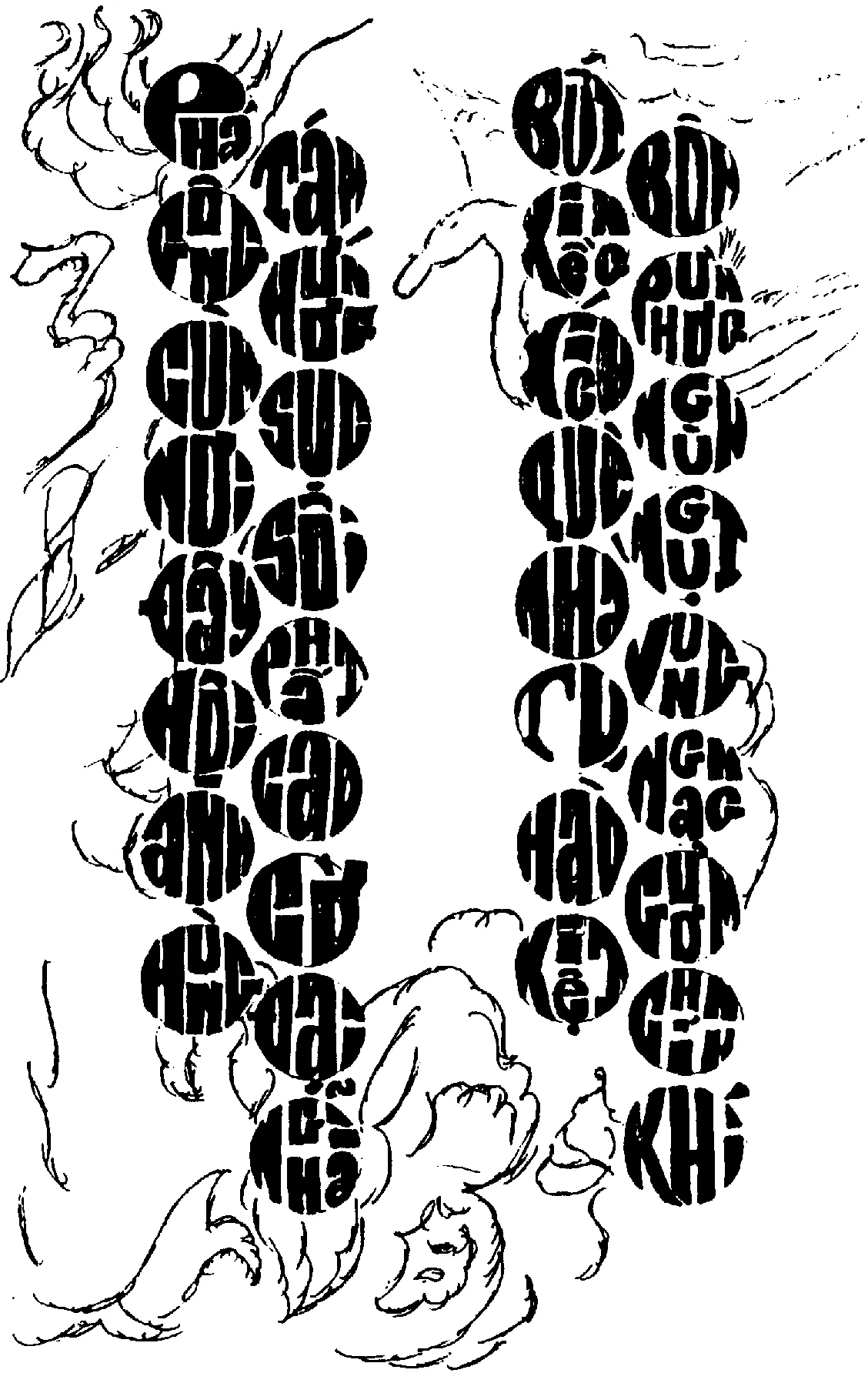
CAU DOI (64K)
A literary art form of chinese origin (parallel sentences). a cau doi, "sentence pair", consists of two sentences or lines. each line corresponds with the other meaning as well as tone pattern and individual word meaning. the cau doi is usually used to convey good wishes on the tet holidaya. it is highly specialized form of poetry.
AO DAI
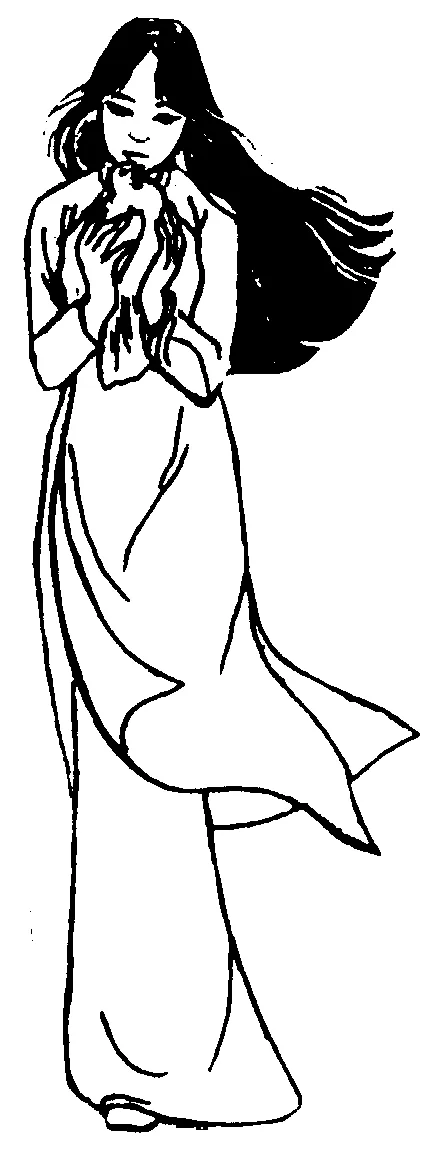
Ao dai 1 (13k) Ao dai 2 (42K) Ao dai 3 (14K) Ao dai 4 (13K) Ao dai 5 (32K)
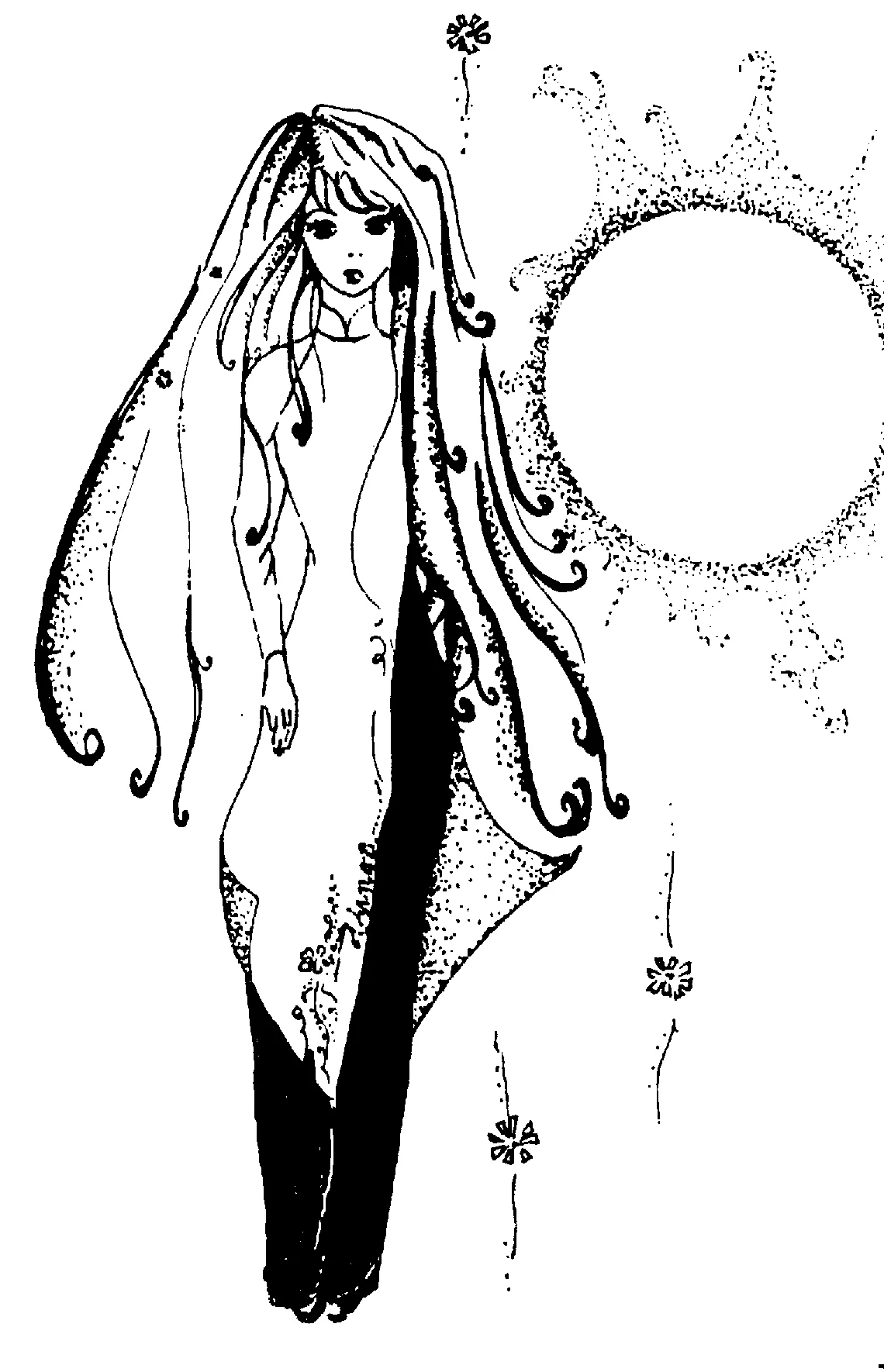
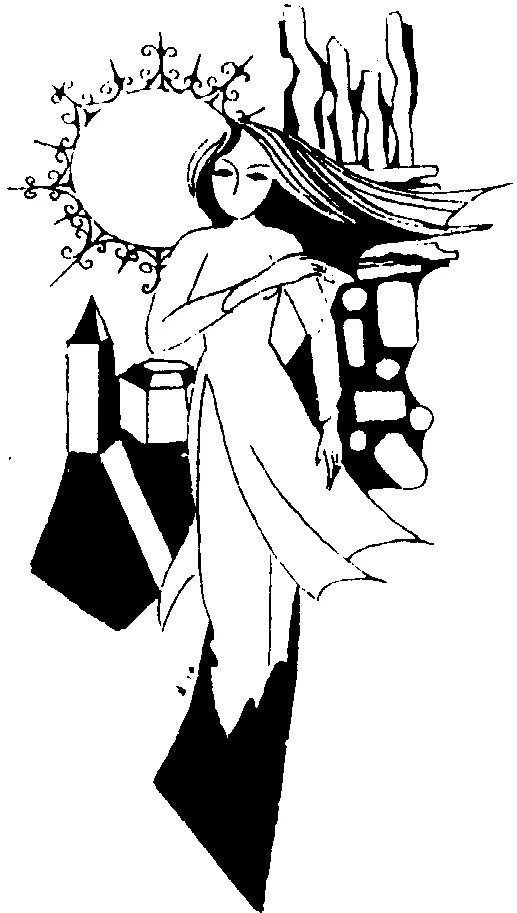
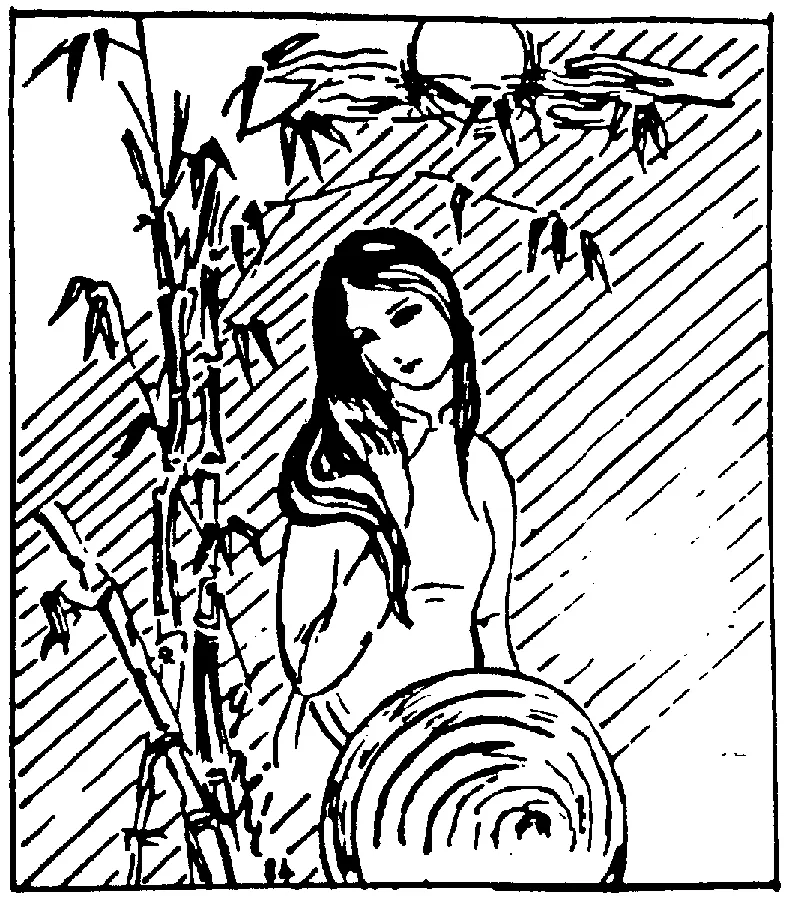
AO dai leterally long dress, the women's national dress of Vietnam. it is a contoured, full-length dress worn over black or white loose-fitting trousers. the dress splits into a front and back panel from the waist down. there are many stylish variations in color and collar design. Originally, the ao dai was loosely tailored with four panels, two of which were tied in back. in 1932, a nationalistic literacy group called the tu luc van doan designed what is essentially now the ao dai. a similar costume is worn the men and is also called an ao dai. However, the mans'dress is shorter (knee length) and more loose-fitting. the color of the brocade and the embroidered dragon were worn only by the Emperor. purple was the color reserved for high ranking mandarins while the blue was worn by those mandarins of lower rank. the dresses for mourning have frayed fringes a line up the back and may be either white or black, although white is the standard color for mourning.
[ Language & Culture ] [ Research on vietnamese language & Culture]
[ Vietnamese Software ] [ Vietnamese Music ]
[ Guestbook ] [ Links ] [ Stuff, Pictures, Utilities, nintendo 64, quality Improvement ]
[ Email comment/suggestions to tu dinh Nguyen ]
[ Back to Home]
You are visitor number  Since 09/11/95
You can see the last 50 users
You can also see full domain stats

